
Category: How Alpha Works Text
-
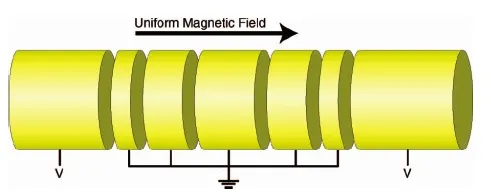
Penning Trap
Penning Trap It is a basic and unavoidable fact in the antimatter business that in order to produce antihydrogen, antiprotons and positrons must be mixed. So, ALPHA must have the ability to confine and manipulate charged plasmas with reasonable efficiency and at cryogenic temperatures to boot! This is accomplished in ALPHA through the use of
-
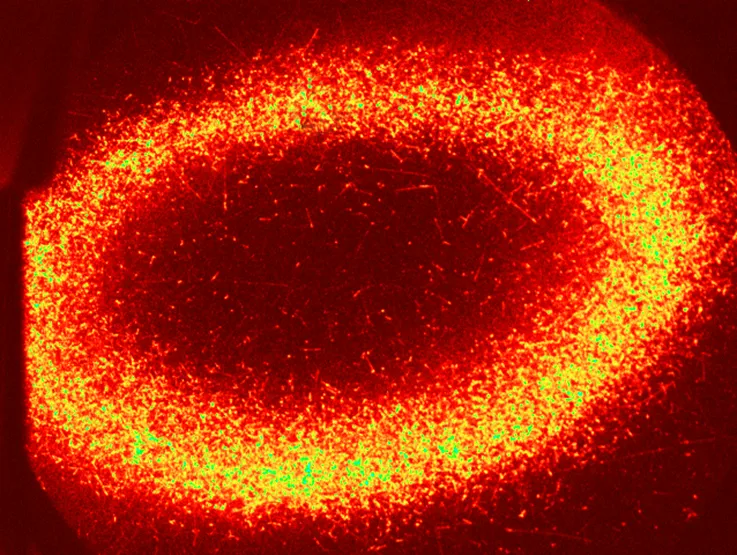
Imaging (MCP)
Imaging (MCP) Throughout the ALPHA experiment, charged particles such as electrons, positrons and antiprotons are stored inside devices known as Penning traps. Micro-channel plates (MCPs) are used to image clouds of particles that are extracted from these traps, allowing us to measure and optimise their properties for antihydrogen production. Each MCP is formed from a
-
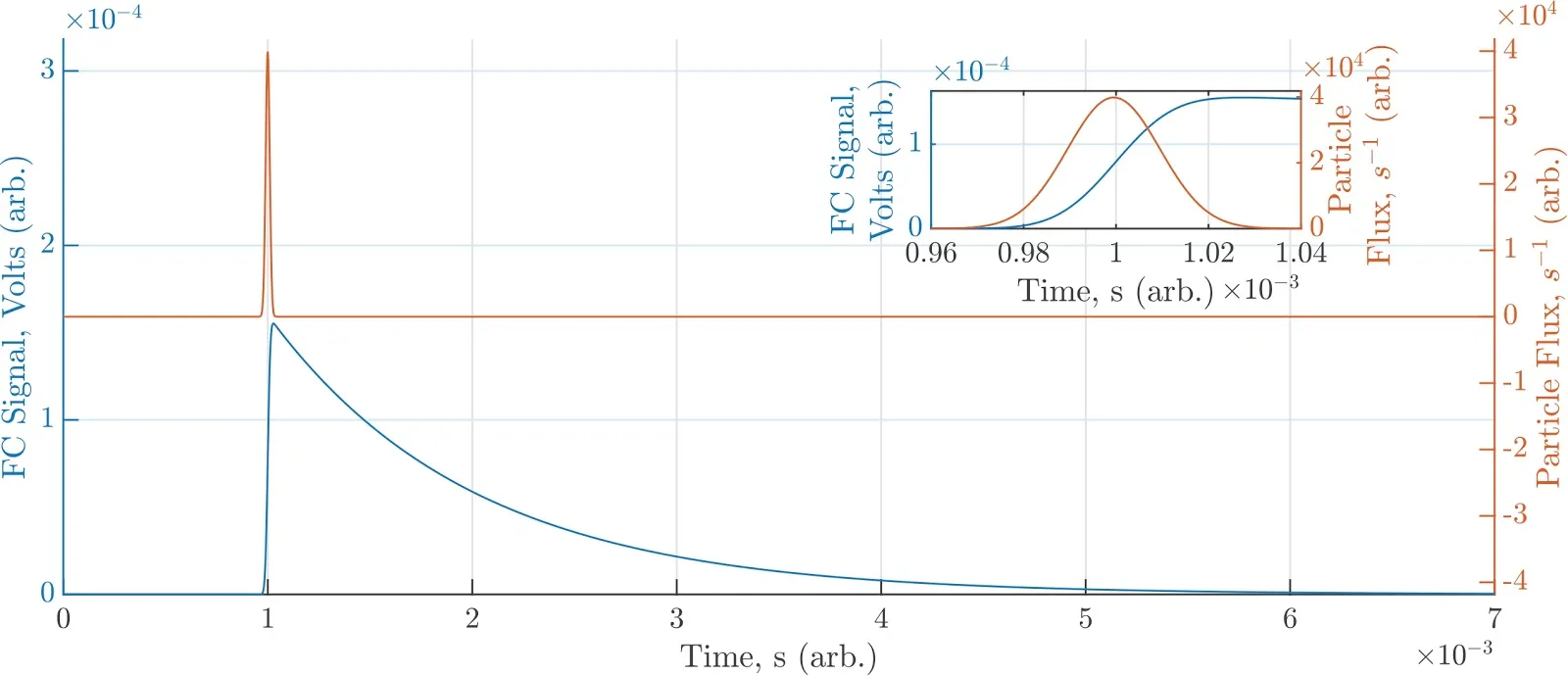
Faraday Cup
Faraday Cup We use a Faraday cup to measure the total number of particles in our electron and positron plasmas. The plasmas are “dumped” onto the cup, thereby generating a voltage on the cup relative to the total charge of the plasma (and the capacitance of the cup). The signal is small, on the order
-
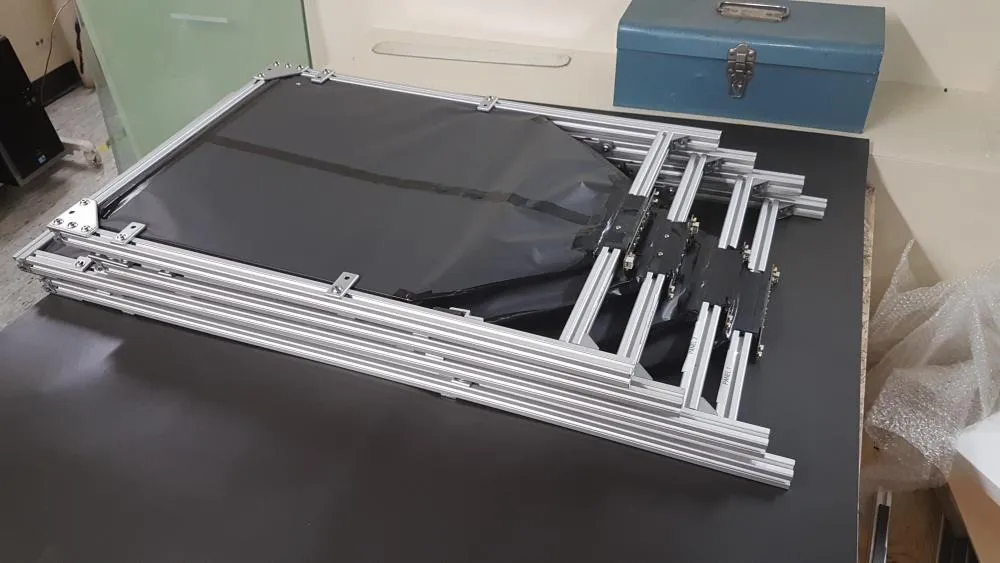
Scintillator Panels
Scintillator Panels Scintillators can be made from plastic, and are therefore a relatively inexpensive technology. We use flat panels of scintillating plastic to make simple detectors for general diagnostics of antiprotons and positron. Back to Diagnostic Tools
-
Silicon Photomultiplier (SiMP)
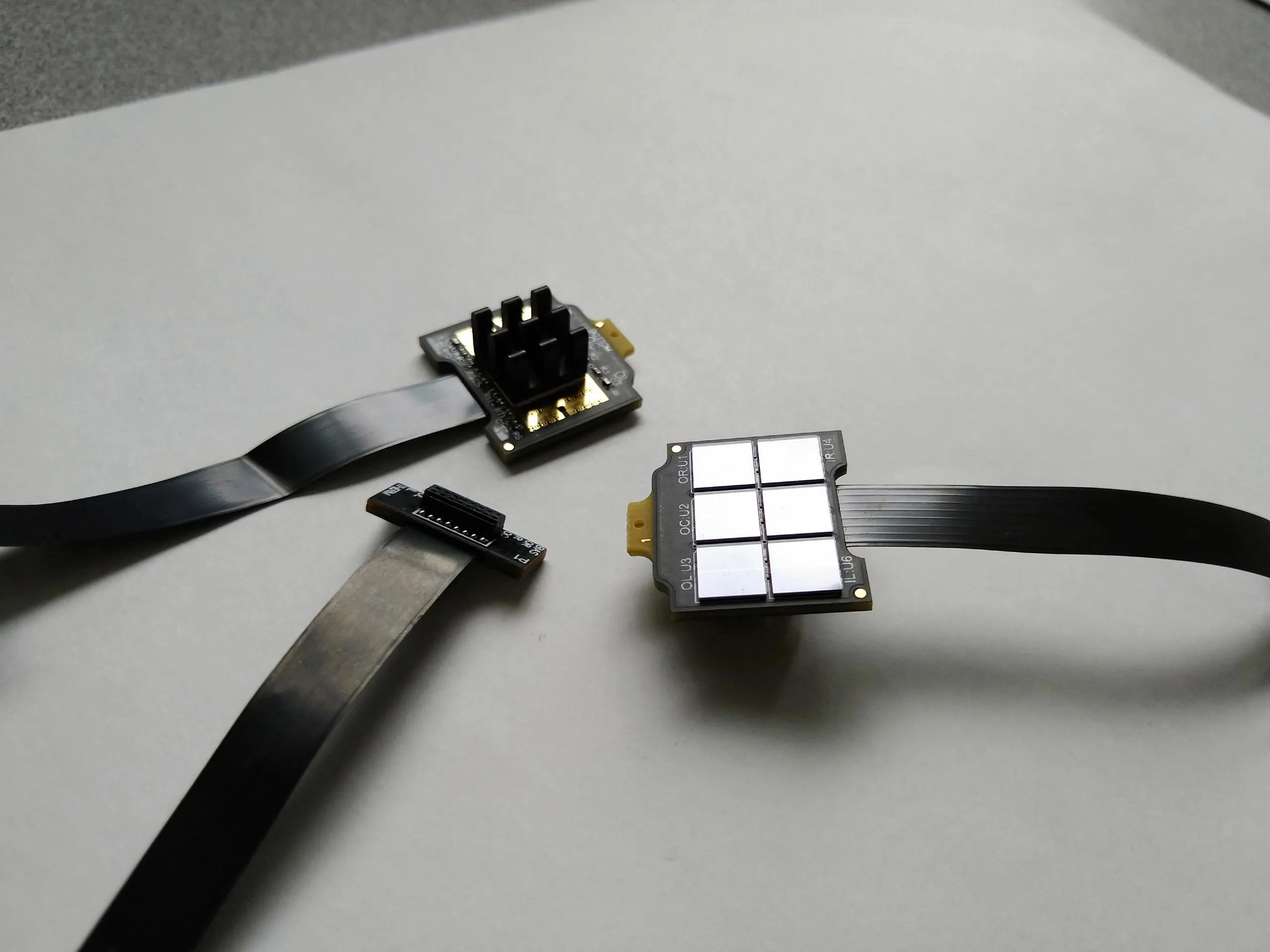
Silicon Photomultiplier (SiMP) The basic principle behind the conversion of scintillation light to an electrical signal in a semiconductor (diode) is the generation of electron-hole pairs when the energy of the photons is larger than the bandgap (generally of the order of 1 or 2 eV). The smallness of the charge produced in a given
-

Photomultiplier Tube (PMT)
Photomultiplier Tube (PMT) The conversion of the scintillation light to a usable electrical signal is traditionally accomplished using a photomultiplier tube, or PMT. This is essentially made of two parts: the photocathode and the electron multiplier tube. The former is a thin layer of photosensitive material that converts a single photon into an electron with
-
Plastic Scintillators
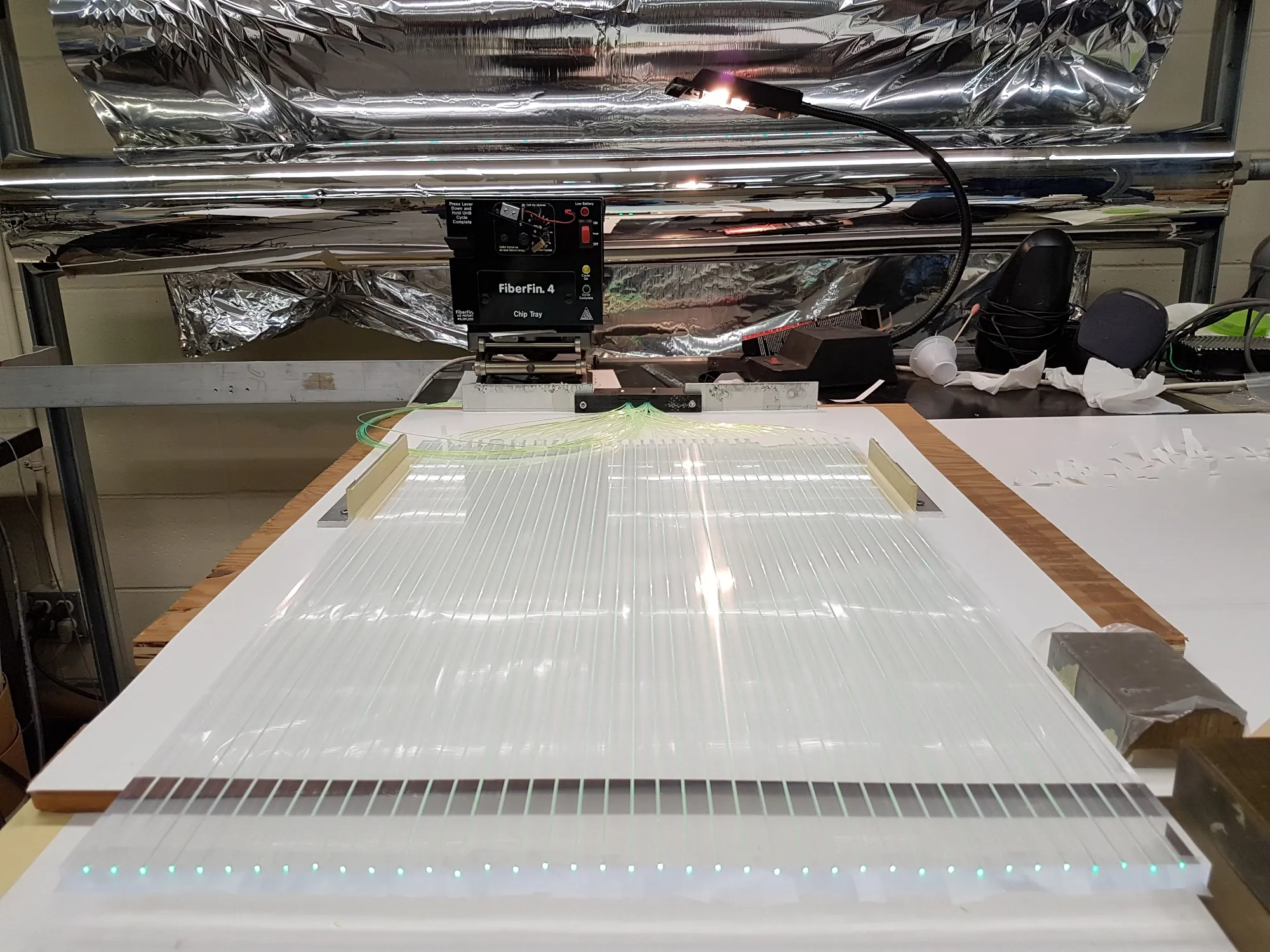
Plastic Scintillators The manipulations of an antiproton plasma can be easily monitored using particle detectors, such as plastic scintillators. They are the most common type of detector encountered in particle and nuclear physics. Owing to their fast response (of the order of a few nanoseconds), they are ideal to observe the annihilation of antiprotons while
-
ECR magnetometry
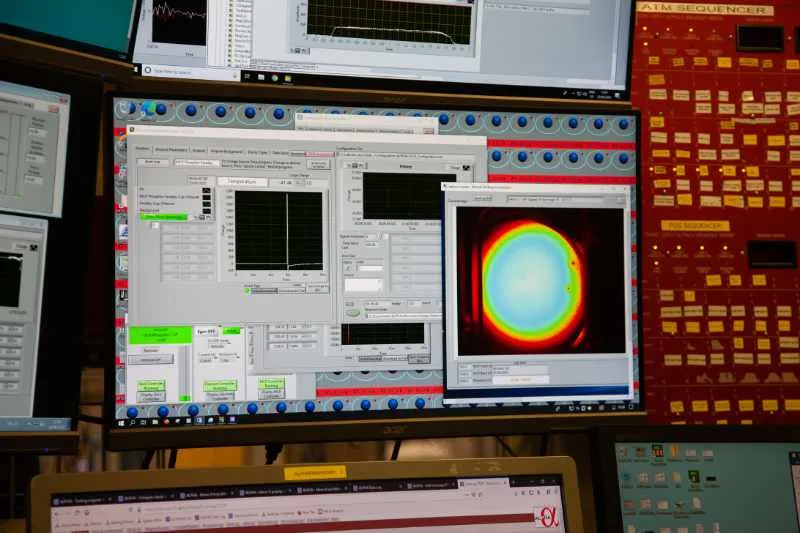
ECR magnetometry The behavior of electrons in the ALPHA apparatus is very sensitive to magnetic fields. Electrons move in circular orbits with a period that depends on the strength of the magnetic field. For strong magnetic fields the motion is fast, for small fields, the electrons move more slowly. ALPHA has developed a magnetic field
-
Temperature measurements
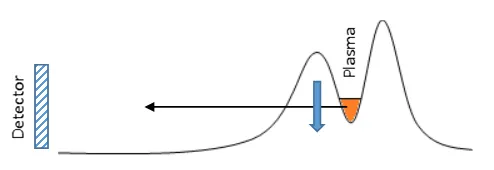
Temperature measurements The plasma temperature is an important property in antihydrogen experiments because we must achieve very low temperatures of positrons and antiprotons in order to effectively synthesize antihydrogen. The plasma temperature is related to the kinetic energy of the particles in the plasma. For a single particle, we can simply define the kinetic energy
-
Annihilation Detectors
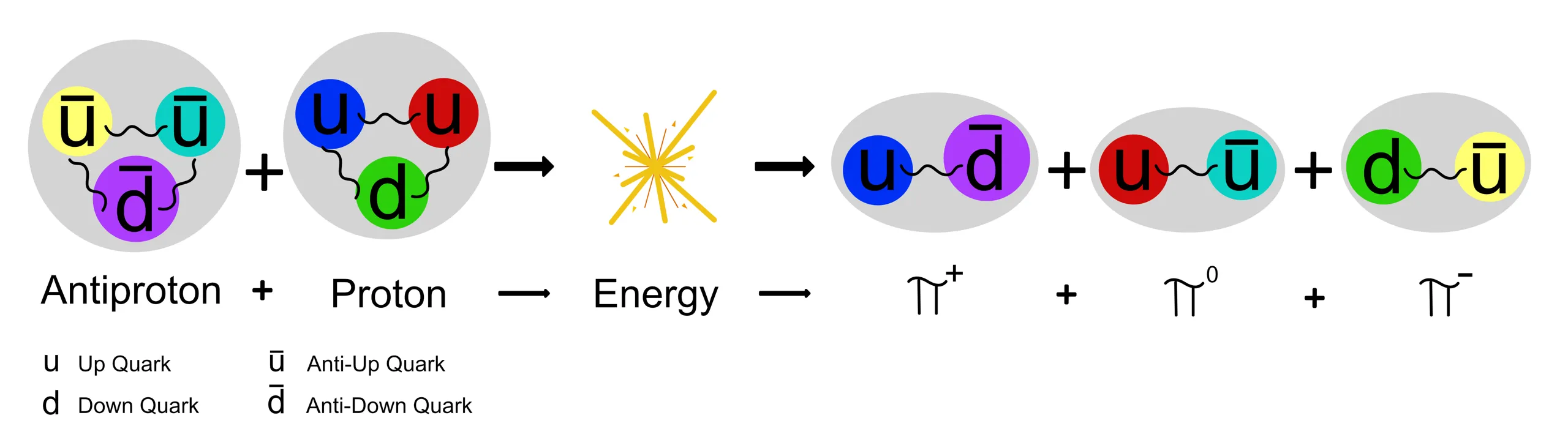
Annihilation Detectors Annihilation Process When an antiproton and a proton come into contact, they will annihilate into a range of subatomic particles. The antiproton and the protons are destroyed. Above shows a typical example of the annihilation process. However, the annihilation products can include different numbers or selections of pions, some are statistically more common