
Tag: Scintillator Panels
-
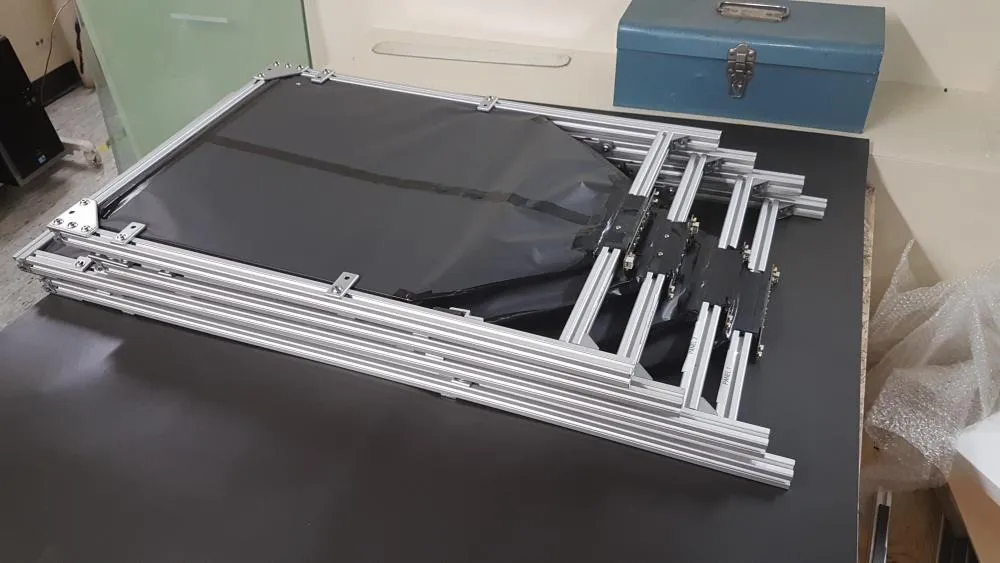
Scintillator Panels
Scintillator Panels Scintillators can be made from plastic, and are therefore a relatively inexpensive technology. We use flat panels of scintillating plastic to make simple detectors for general diagnostics of antiprotons and positron. Back to Diagnostic Tools
-
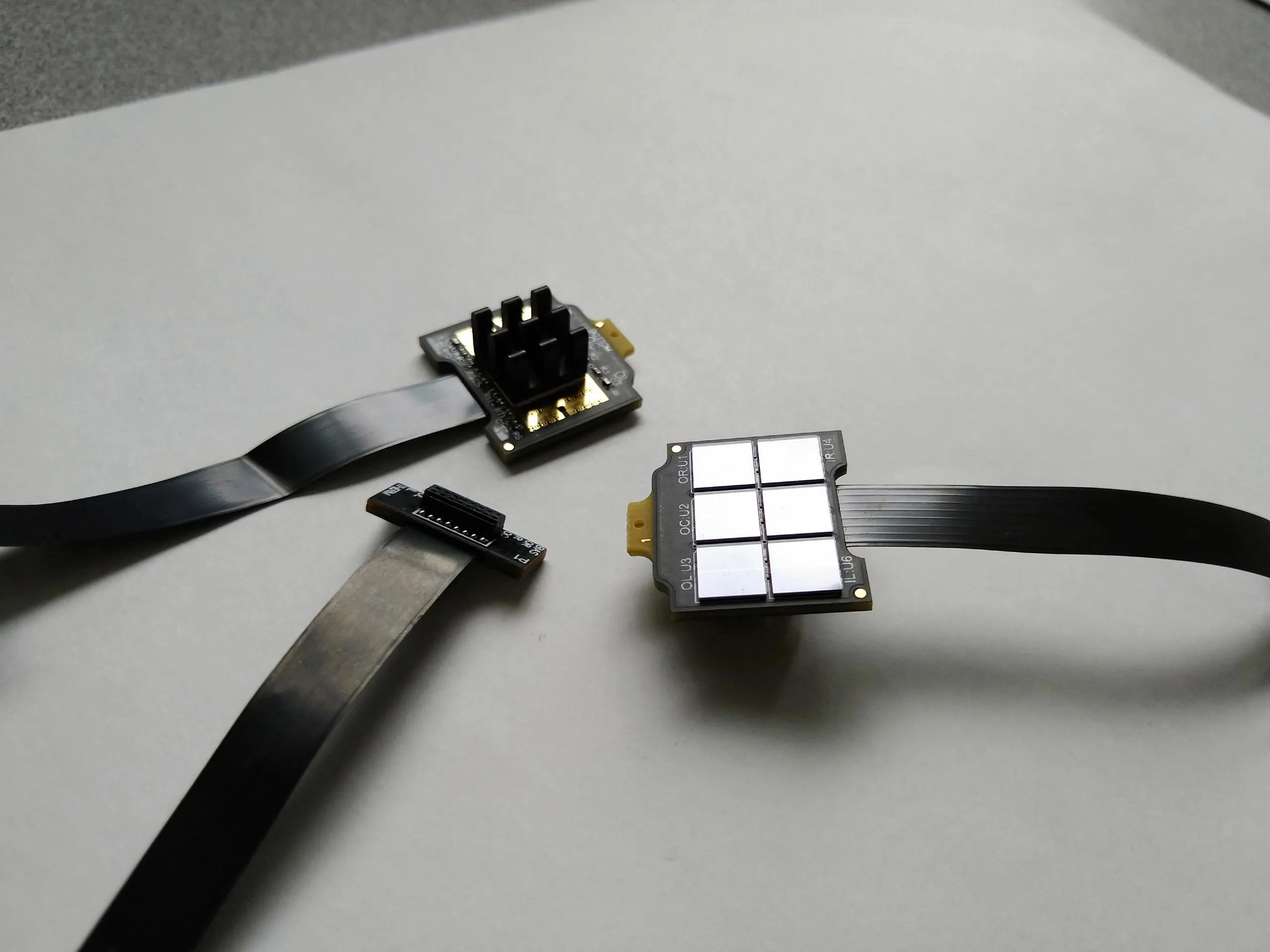
Silicon Photomultiplier (SiMP)
Silicon Photomultiplier (SiMP) The basic principle behind the conversion of scintillation light to an electrical signal in a semiconductor (diode) is the generation of electron-hole pairs when the energy of the photons is larger than the bandgap (generally of the order of 1 or 2 eV). The smallness of the charge produced in a given
-

Photomultiplier Tube (PMT)
Photomultiplier Tube (PMT) The conversion of the scintillation light to a usable electrical signal is traditionally accomplished using a photomultiplier tube, or PMT. This is essentially made of two parts: the photocathode and the electron multiplier tube. The former is a thin layer of photosensitive material that converts a single photon into an electron with
-
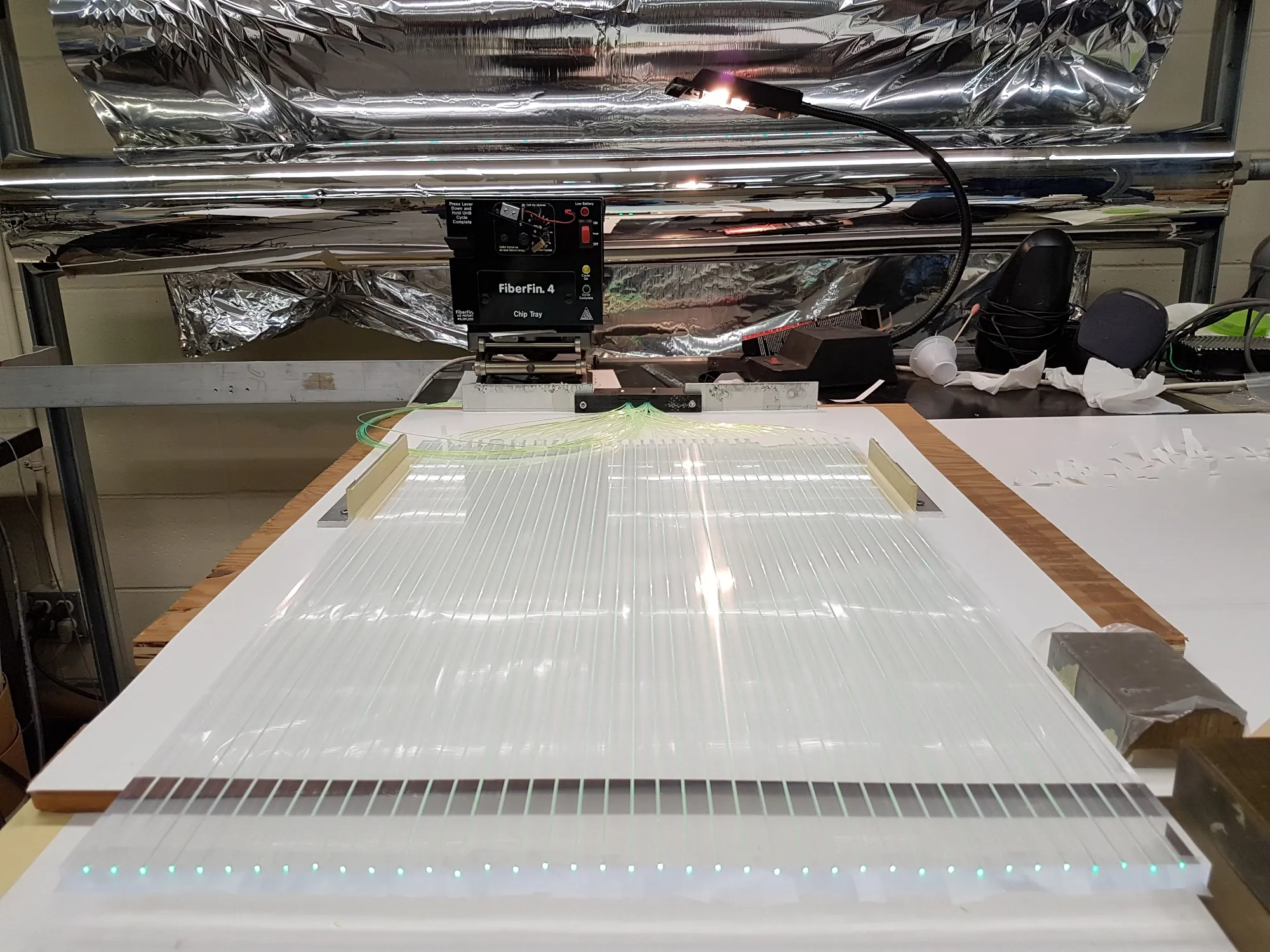
Plastic Scintillators
Plastic Scintillators The manipulations of an antiproton plasma can be easily monitored using particle detectors, such as plastic scintillators. They are the most common type of detector encountered in particle and nuclear physics. Owing to their fast response (of the order of a few nanoseconds), they are ideal to observe the annihilation of antiprotons while