DIAGNOSTIC TOOLS

With the exception of modes, presently we can only detect antimatter in our apparatus by destructive methods (we either need to splat our particles onto a detector surface or annihilate the antimatter into the trap wall). While working with antimatter makes almost everything very difficult, fortunately detection is often very efficient.

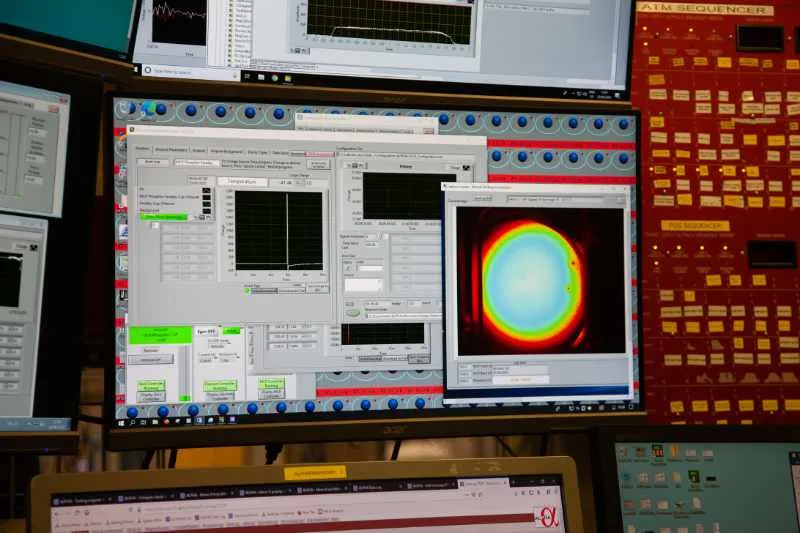
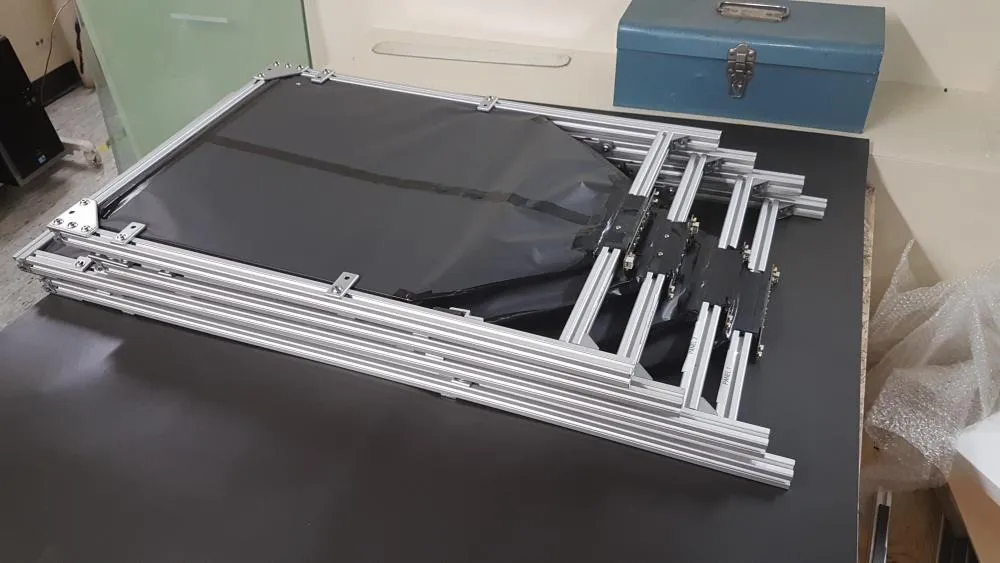
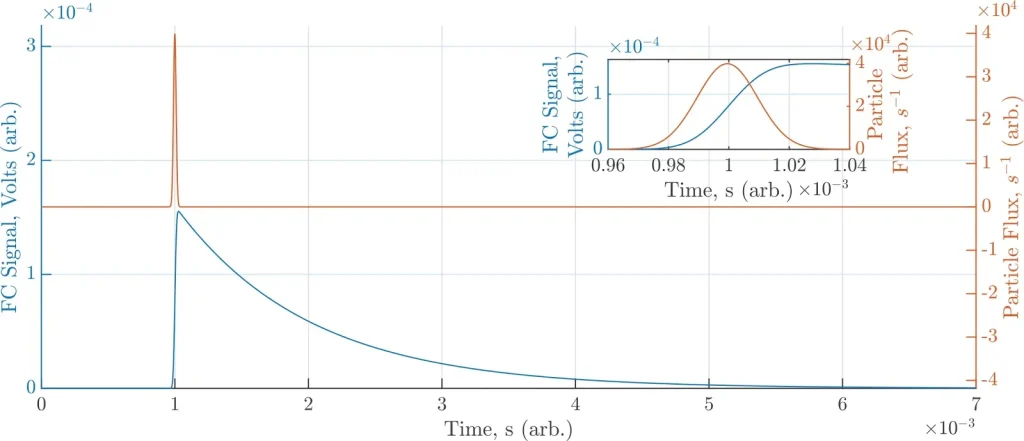
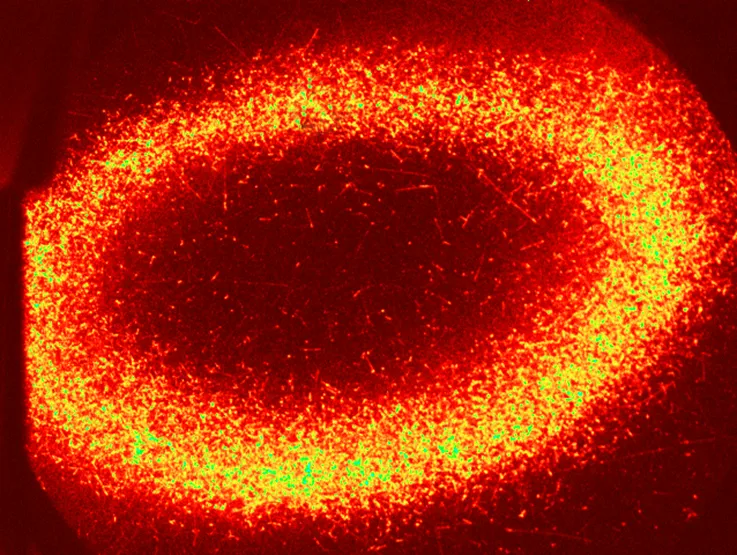
We either detect the charge of particles in our apparatus (Faraday Cup, MCP, temperature measurements), or the annihilation products. When antimatter comes in contact with matter, it annihilates. This annihilation releases lots of energy and subatomic particles. These products are then detected either with the Plastic Scintillators, TPC, SVD.
  • 1. Mixing of Antiprotons & Positrons

    1. Mixing of Antiprotons & Positrons

    1. Mixing of Antiprotons & Positrons Antihydrogen is synthesized by merging ensembles of antiprotons and positrons. As the goal is to trap them, it is of utmost importance that the antihydrogen synthesized is cold enough to be trapped. The magnetic trap used to trap them is at best around 50 micro-electron-volt deep; this is equivalent…

  • 2. Trapping of Antihydrogen

    2. Trapping of Antihydrogen

    2. Trapping of Antihydrogen Antihydrogen is electrically neutral, so it cannot be confined with the combination of electric and magnetic fields that confine the charged positrons and antiprotons. Antihydrogen does however have a magnetic “dipole moment”, which means that it can be confined using an arrangement of magnetic fields. The dipole moment is a very…

  • 3. Stacking

    3. Stacking

    3. Stacking Once trapped it is now possible to repeat the procedures of mixing and trapping, but without de-energising the magnetic trap after each repeat. This means that one can continuously add new antihydrogen atoms to the trap, losing only a few due to their naturally short lifetime in a world of normal matter. The…

  • Annihilation Detectors

    Annihilation Detectors

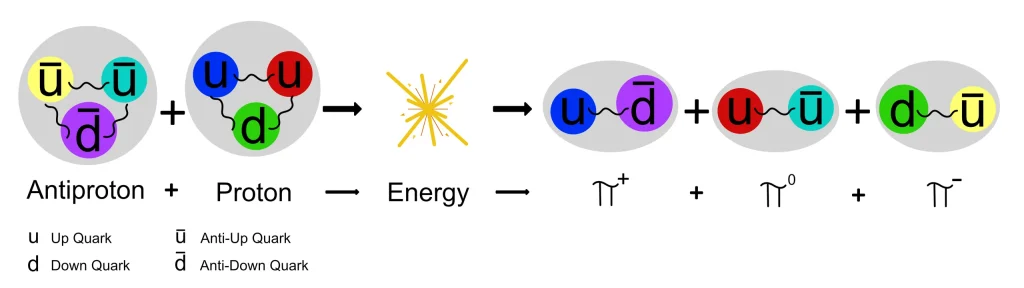
    Annihilation Detectors Annihilation Process When an antiproton and a proton come into contact, they will annihilate into a range of subatomic particles. The antiproton and the protons are destroyed. Above shows a typical example of the annihilation process. However, the annihilation products can include different numbers or selections of pions, some are statistically more common…

  • Antiproton Capture

    Antiproton Capture

    Antiproton Capture In order to give you an idea of how antihydrogen is actually made and trapped, we have made a small game that takes you through some key steps. You must succeed at each step to progress to the next. In the first part you need to capture antiprotons from the AD. The animation…

  • Antiproton Source

    Antiproton Source

    Antiproton Source From Beam to Particle Why decelerate? In order to make (anti)matter from “nothing” you need as a minimum the energy given by Einstein’s famous formula E=mc2. In practice you need somewhat more to make the process efficient. Antiproton production therefore requires high energy (10s of GeV) collisions (proton beam onto a metal target),…